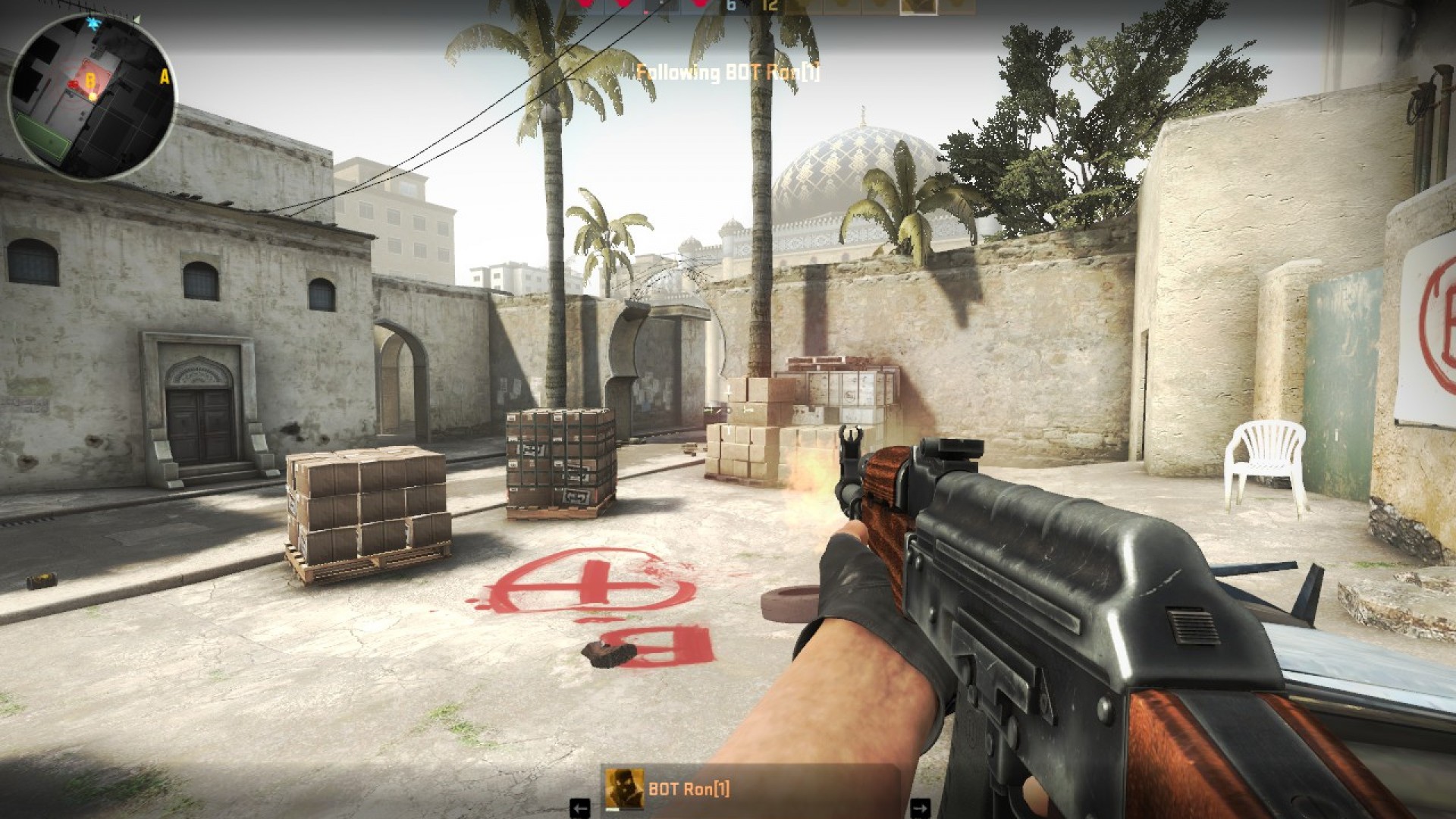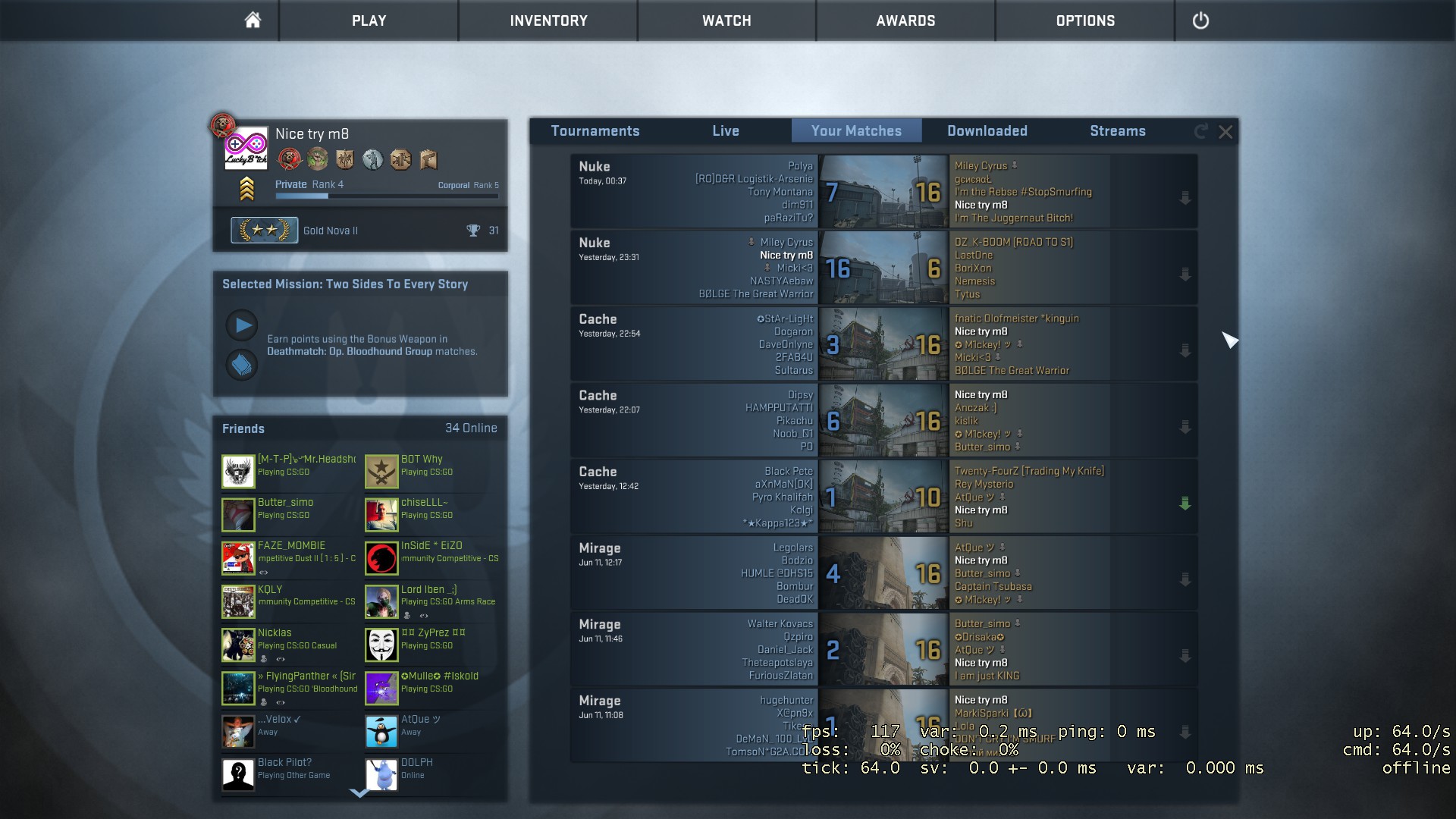
In the competitive world of online gaming, achieving higher win rates is a constant pursuit for gamers. Whether it’s in multiplayer online battle arenas (MOBAs) like Dota 2 or League of Legends, first-person shooters like Counter-Strike: Global Offensive (CS:GO), or any other team-based game, players are always seeking ways to enhance their performance and secure more victories. One strategy that has gained considerable attention is CS2 boosting, a technique aimed at maximizing win rates and climbing the ranks of competitive play. In this article, we will explore CS2 boosting, its impact on win rates, and the ethical considerations surrounding it.
CS2 boosting is a process where a highly skilled player, often referred to as a “booster,” plays on behalf of another player, known as the “boostee,” with the goal of improving their win rate and rank. The booster, usually an experienced professional or high-ranking player, utilizes their expertise to achieve wins at a higher rate than the boostee would on their own. This service is typically sought after by players who wish to accelerate their progress in the game or reach a specific rank, often in pursuit of bragging rights, personal satisfaction, or to compete in high-level tournaments.
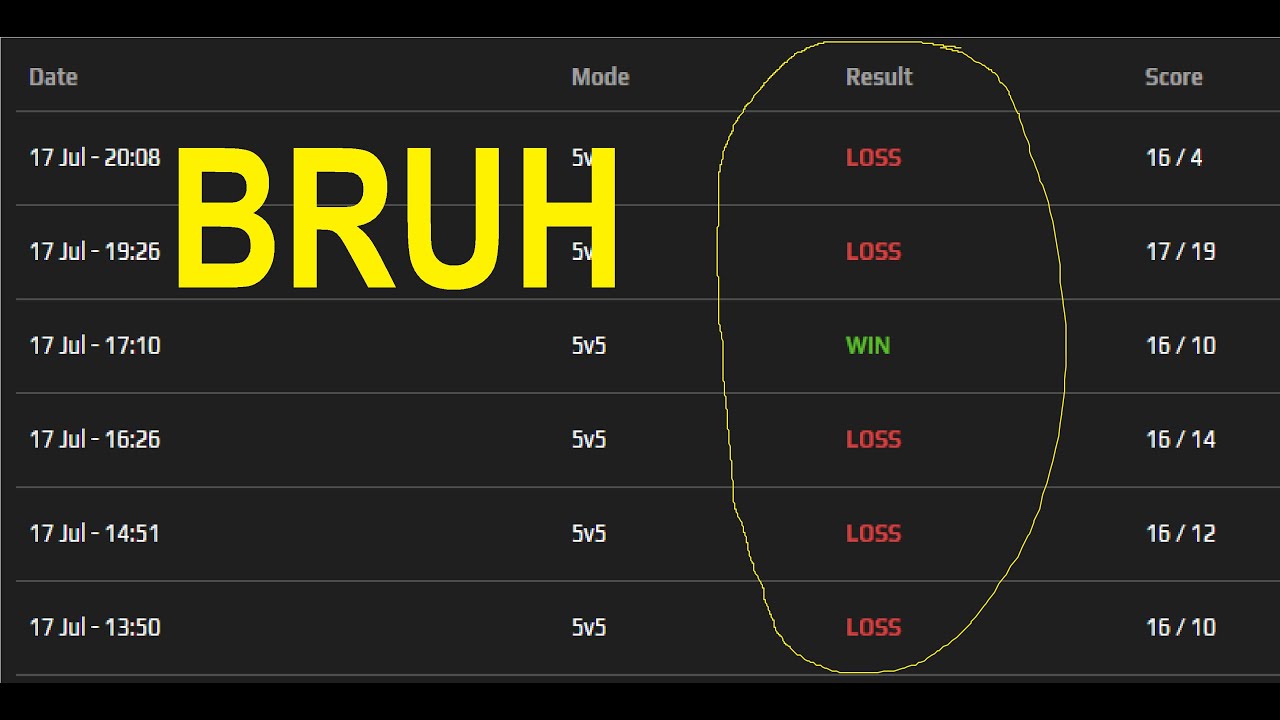
The primary objective of CS2 boosting is to enhance win rates, which can be a significant challenge for players trying to climb the competitive ladder. Winning consistently in a game like CS:GO requires a combination of skill, game knowledge, teamwork, and strategy. However, due to various factors such as skill gaps, uncooperative teammates, or opponents employing superior tactics, players may find it difficult to maintain a high win rate on their own.
By employing a booster, players can benefit from their expertise and increase their chances of winning. Boosters often possess extensive knowledge of the game’s mechanics, strategies, and meta, allowing them to navigate matches with precision and efficiency. They can provide valuable insights, shot-calling, and decision-making abilities that may not be readily available to less experienced players. This results in a higher win rate for the boostee, enabling them to progress more quickly through the ranks.

However, it is essential to consider the ethical implications associated with CS2 boosting. Many gaming communities and developers frown upon this practice, considering it a form of cheating or unfair advantage. Boosting can disrupt the natural progression of skill development and undermine the integrity of competitive play. It creates an imbalance within matchmaking systems, leading to less meaningful matches for both the boostee and their opponents. Consequently, some game developers have implemented measures to identify and penalize players engaged in boosting activities.
Furthermore, CS2 boosting also poses risks to the players who avail themselves of these services. Account sharing, which is often required for boosting, violates the terms of service of most games. It can result in penalties, including temporary or permanent bans from the game. Additionally, handing over account credentials to boosters can compromise the security of personal information, leaving players vulnerable to potential hacking or fraudulent activities.
While CS2 boosting may provide short-term benefits in terms of higher win rates, it is essential to consider the long-term consequences and ethical implications. Players should strive to improve their skills organically, enjoying the learning process and the challenge of overcoming obstacles on their own. Developing a deep understanding of the game, practicing regularly, and seeking guidance from experienced players through mentorship programs or gaming communities are more legitimate and sustainable ways to enhance performance and increase win rates.
In conclusion, CS2 boosting offers players a shortcut to higher win rates by leveraging the skills of experienced players. However, it is crucial to consider the ethical concerns associated with this practice, including its impact on fair play and the potential risks it poses to the players themselves. Instead of resort